
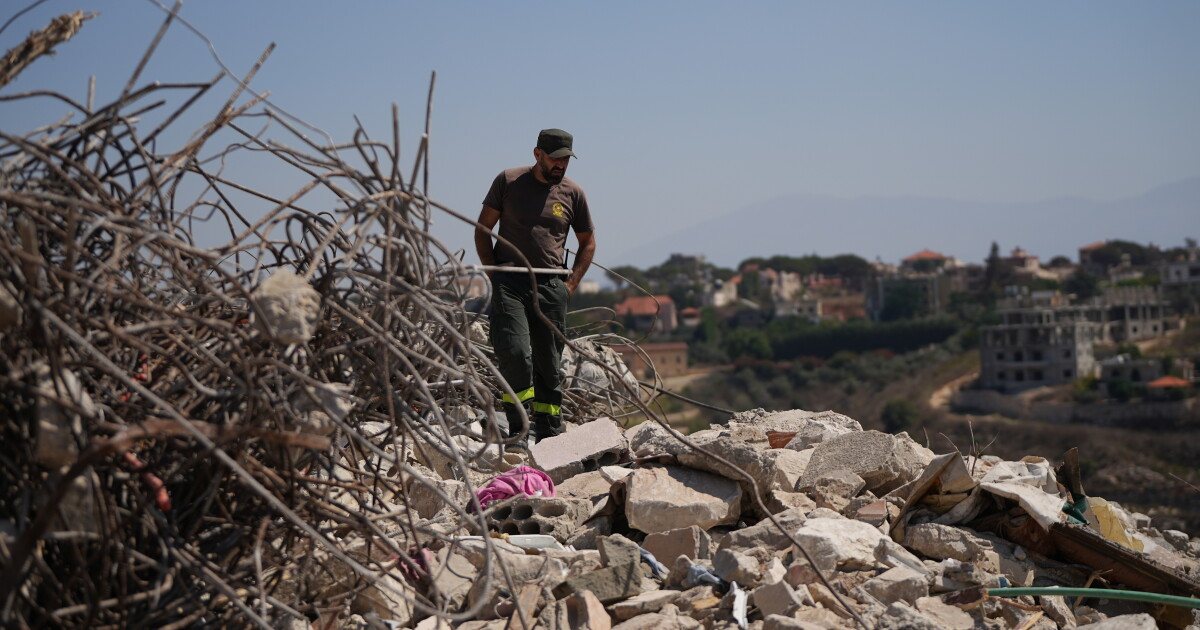
Image: KPBS (NPR syndication) (source article)
A south Lebanon family returns to a burned home after Israeli pullback
NPR follows the Kadouh family back to Zawtar al-Gharbiyah, a first test of a US-backed plan for the Lebanese army to take over.
In Zawtar al-Gharbiyah, a village in southern Lebanon, the Kadouh family has returned to a house left burned and stripped, NPR reports. We could only read syndicated copies of the story, so the details below are attributed to NPR.
The family says Israeli soldiers occupied the house. They found Hebrew packaging, bullet casings and a roster with soldiers' first names. The upper floor was largely burned, solar panels were destroyed and trees were uprooted. The Israeli military did not explain the damage and said its policy bars burning homes or leaving explosives.
NPR says the village is the first, and so far the only, test of a US-brokered plan under which Israeli forces withdraw and the Lebanese army takes over. The army dismantled explosives left in the house and runs a checkpoint there.
The family's youngest son, Adel, a 27-year-old ambulance volunteer, was killed with four other medics in a drone strike on 28 March, according to NPR. The Israeli army said, without providing proof, that militants pose as paramedics. Al Jazeera separately reports displaced families returning to ruins in Nabatieh. The two reports describe different places.
Know more about this story?
Send us information, photos or video. Our editors verify every submission.
ContributeMore · Lebanon

New technology opportunities in Lebanon: Walid Semaan discusses 10XICT 2026 and the future of AI
Video: Al Jadeed

Manal Issa reflects on Cairo acting award and a role shaped by exile
Separate interviews connect the Lebanese actress’s Summer Meadow performance with her own return from France to Lebanon.

Debel residents face online abuse after Israeli spokesperson's school visit
The municipality says the visit happened about a month ago without the school's knowledge, as Beirut condemns it.
Army arrests three over 264 kg of explosives smuggled from Syria
The Lebanese Army says surveillance along the northern and eastern borders led to the seizure.