
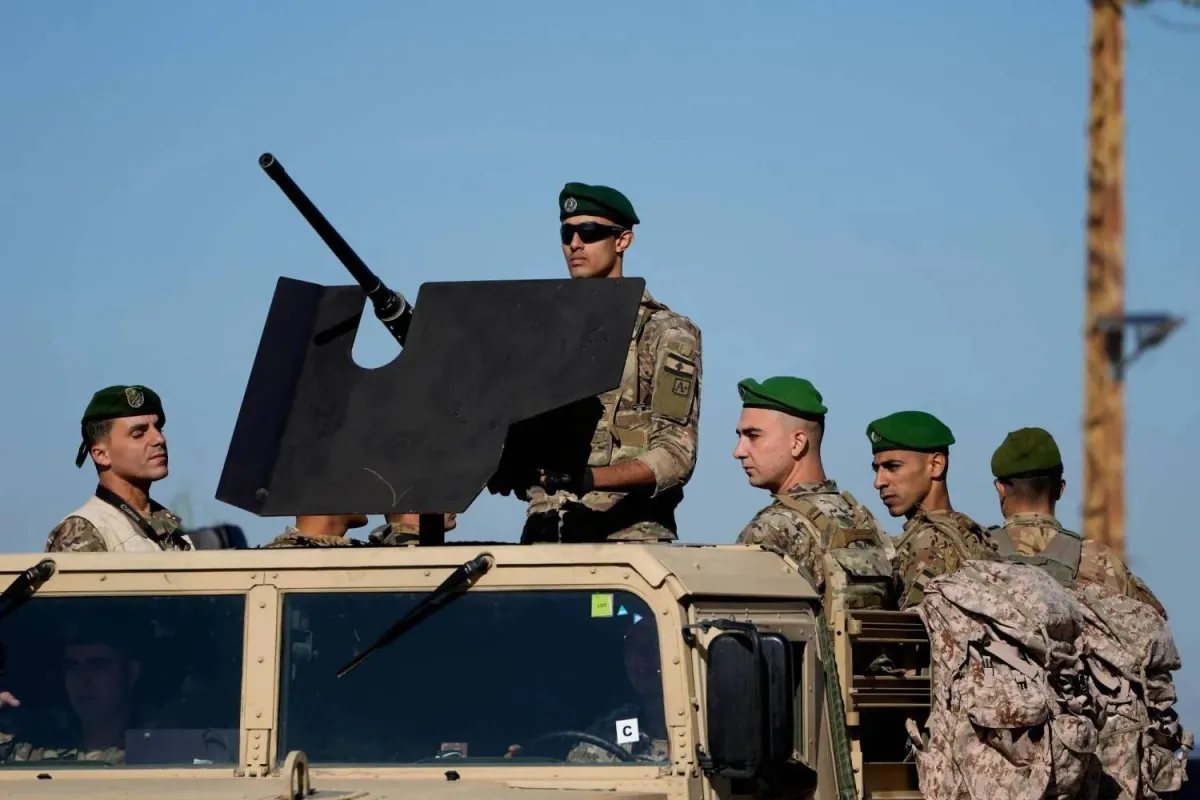
Image: Asharq Al-Awsat (source article)
Army seizes 264 kg of explosives from Syria; detainees rise to six
The Lebanese Army says the cargo crossed an illegal border point, and a military investigation is widening.
The Lebanese Army announced it seized about 264 kilograms of explosives smuggled from Syria, after surveillance along the northern and eastern borders. The cargo was found in the Mashari al-Qaa area of the Bekaa Valley.
The number of detainees has risen to six Lebanese nationals, and security agencies are searching for two Syrians suspected of being due to receive the shipment. The Government Commissioner to the Military Court, Judge Claude Ghanem, moved the preliminary investigation from the Military Police to the Army's Intelligence Directorate to identify the intended recipient.
A judicial source said samples of the TNT and C-4 were sent to laboratories to compare them with those from an earlier shipment seized at Dahr al-Baidar, where similarities were noted and test results are awaited. The army's statement did not name any group. A security source told AFP the first three suspects were civilian smugglers with no party affiliation.
Syrian security forces separately reported seizing a weapons cache in the Damascus countryside that they said was bound for Lebanon. Security sources call for closer Lebanese-Syrian coordination to close border loopholes.
Know more about this story?
Send us information, photos or video. Our editors verify every submission.
ContributeMore · Lebanon
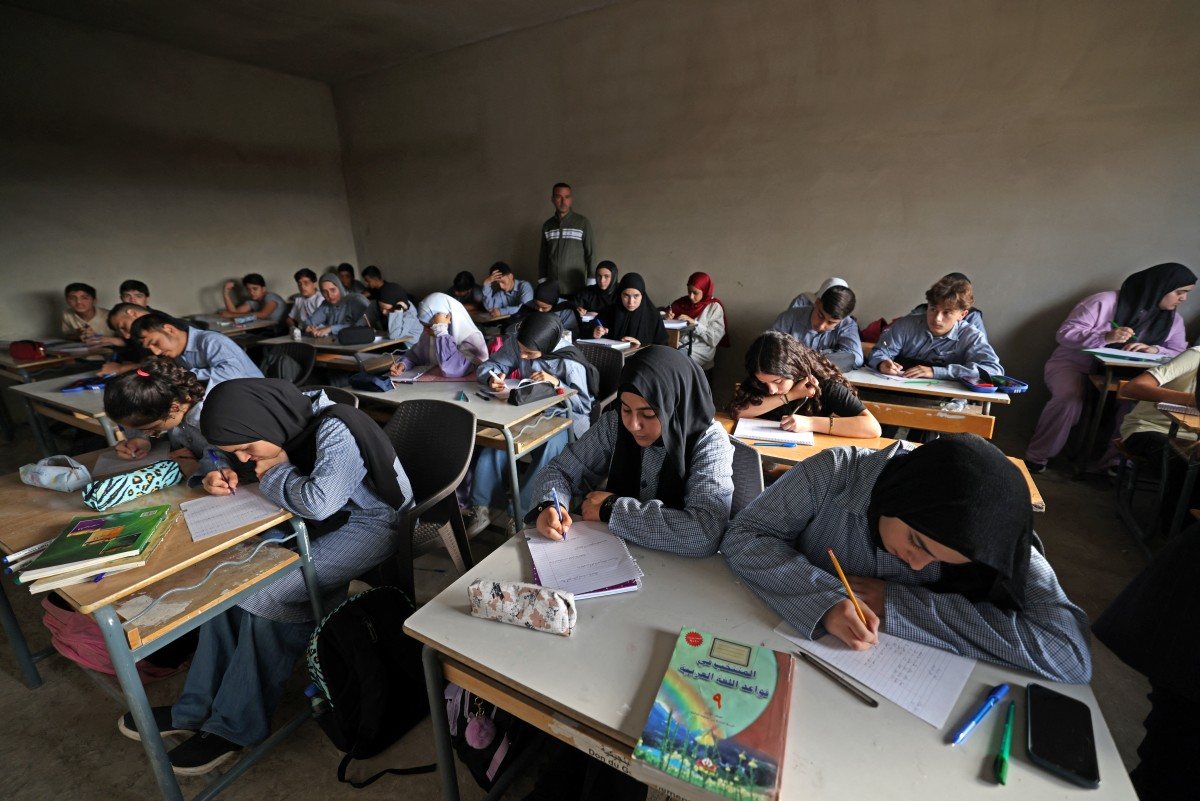
Lebanon condemns Israeli spokesperson's school visit in Debl
Prime Minister Salam says an occupying power may not use Lebanese children to polish its image.

Evening News Bulletin Intro – 23-11-2026
Opening of Al Jadeed's evening news bulletin, dated 23 November 2026.
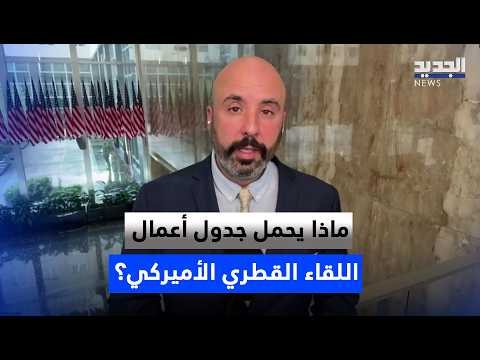
Lebanon on the Table: What Is on the Agenda of the Qatari–American Meeting?
Al Jadeed looks at the agenda of the Qatari–American meeting and Lebanon's place in it.
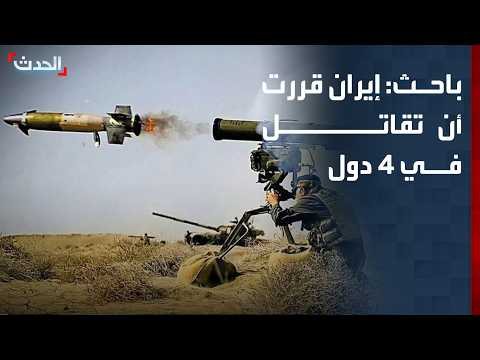
Researcher: Iran Decided Never to Fight in Tehran, and to Fight in Lebanon, Yemen, Syria and Iraq
A researcher argues that Iran has chosen to fight in Lebanon, Yemen, Syria and Iraq rather than in Tehran.